October 9, 2026
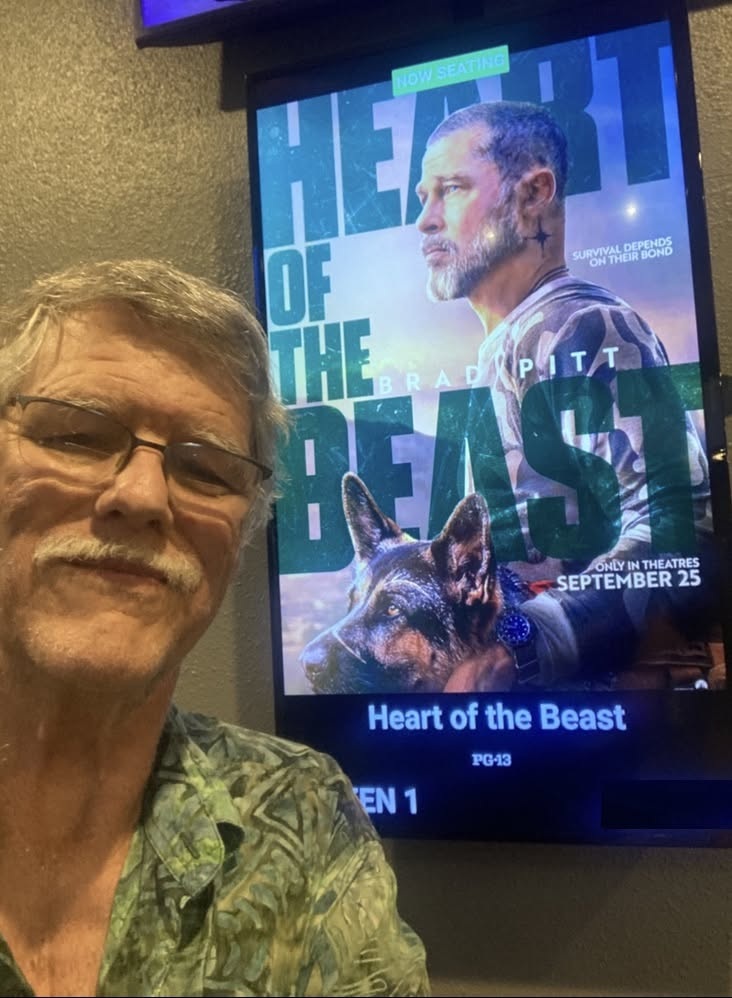
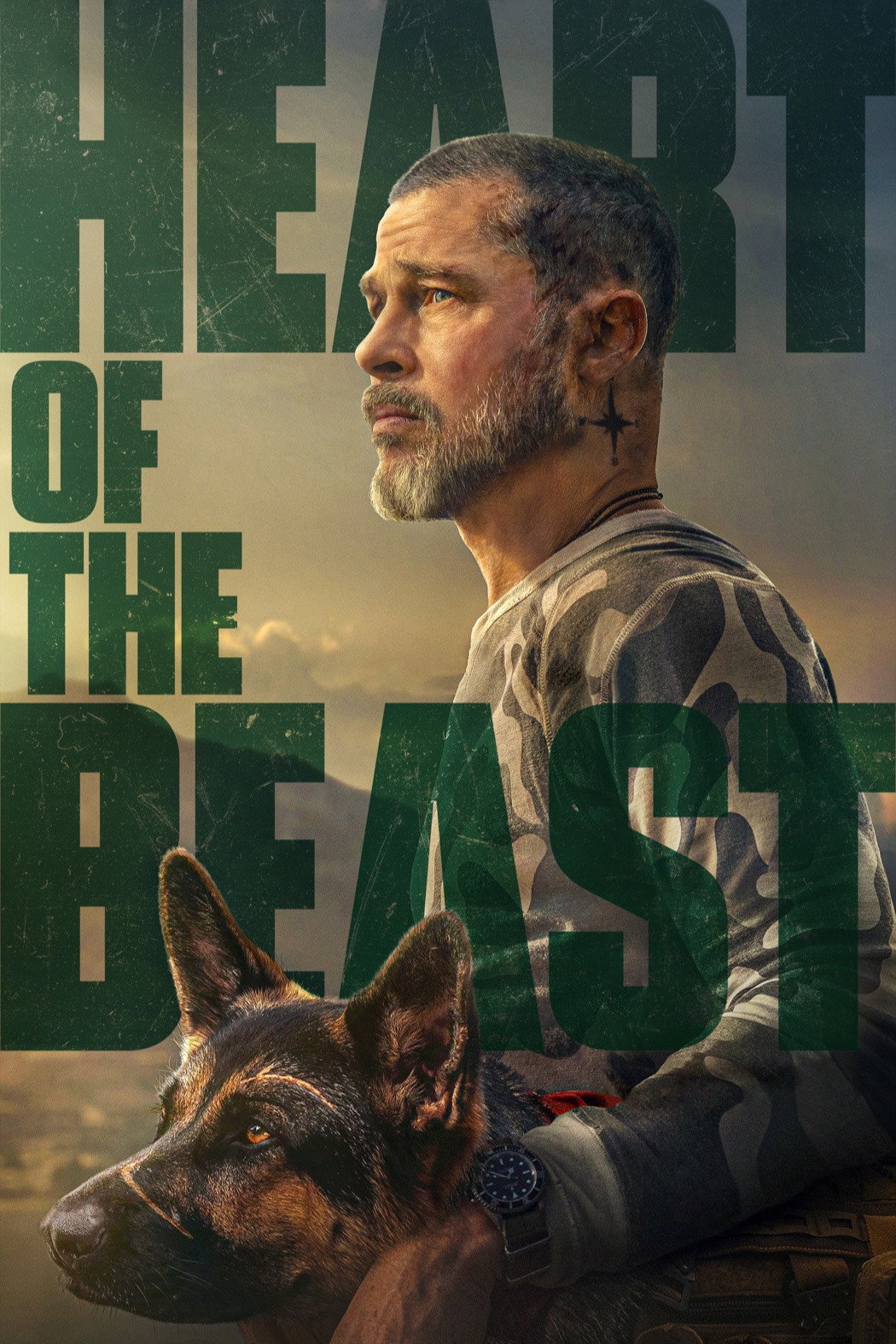
Spiritually Speaking at the Movies, “Heart of the Beast” PG-13, 1h41m, 2026, featuring Brad Pitt and “Odin the Dog.” Should you see it? No, don’t bother. Even a cursory examination of this contrived plot will leave you shaking your head. There are too many violations of the “willing suspension of disbelief.” Spiritually Speaking, the absence of spiritual reflection in the face of death is a nonstarter.
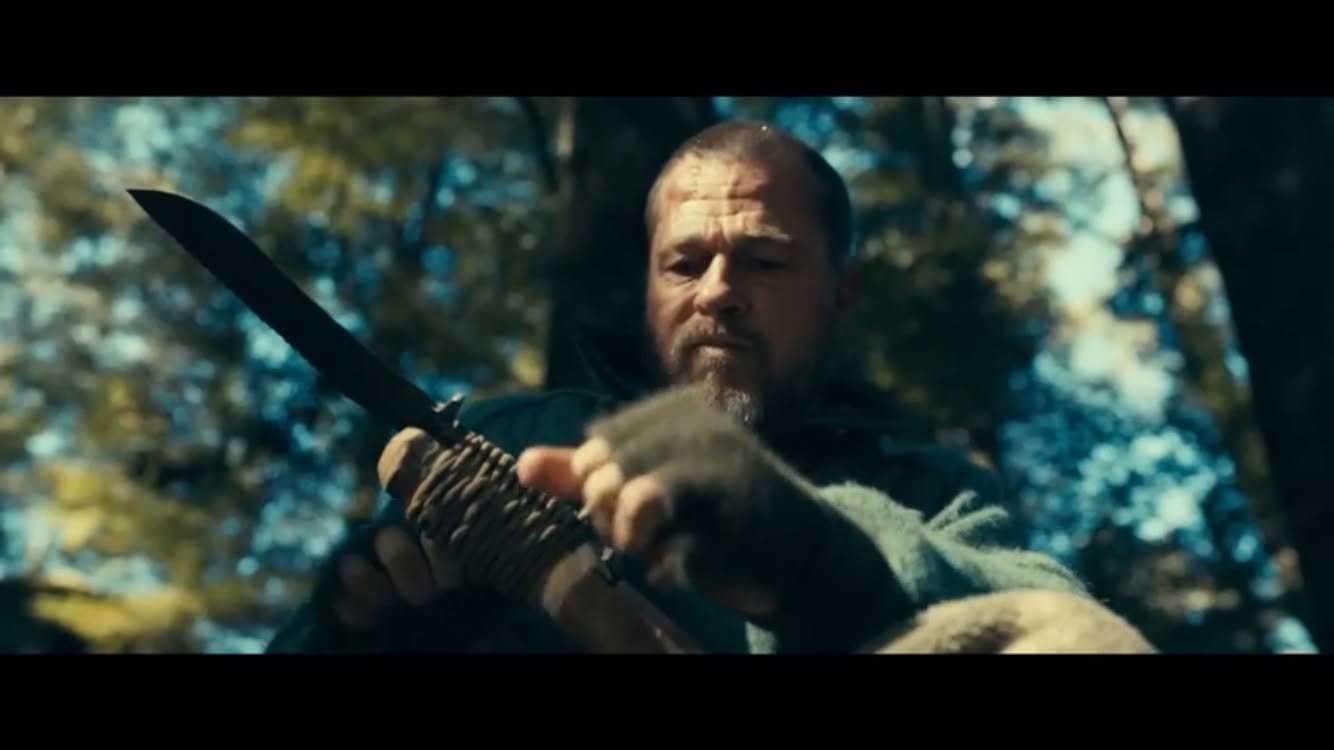
Supposedly, we are told, here are no atheists in foxholes. But war-weary veteran Sgt. Commander James Belmont (Pitt) seems to have skipped the opportunity for spiritual insights as sole survivor of a battle, for something else.
What that is, we will never know. He tells no one, including his beloved dog Odin, and we are left with nothing. That empty feeling you may have at film’s end is the absence of meaning and depth.
Film critic Roger Ebert once observed that the difference between a good movie, and a great movie, was the dialogue. The entire time watching “Heart of the Beast” I waited for the dialogue to open up and give us some much-needed insight. It never happened.
The perfect vehicle to accomplish this insightful reflection would be for Sgt. Belmont to open up to his most trusted friend, Odin, who would have been his greatest listener. No interruptions. There would be lot’s of time for consideration.
But alas, nothing from Belmont was forthcoming until the very last moments of the film— far too late, when empathy for this “closed-up” main character had long since been abandoned.
“Heart of the Beast” could have been a deep story with the many opportunities for insight, wisdom, and inspiration… and it wasn’t.” A film so devoid of these qualities, cannot be remembered except for what it did NOT say. Spiritually speaking, it was a vacuum that actually hurt because it did not have to be so.
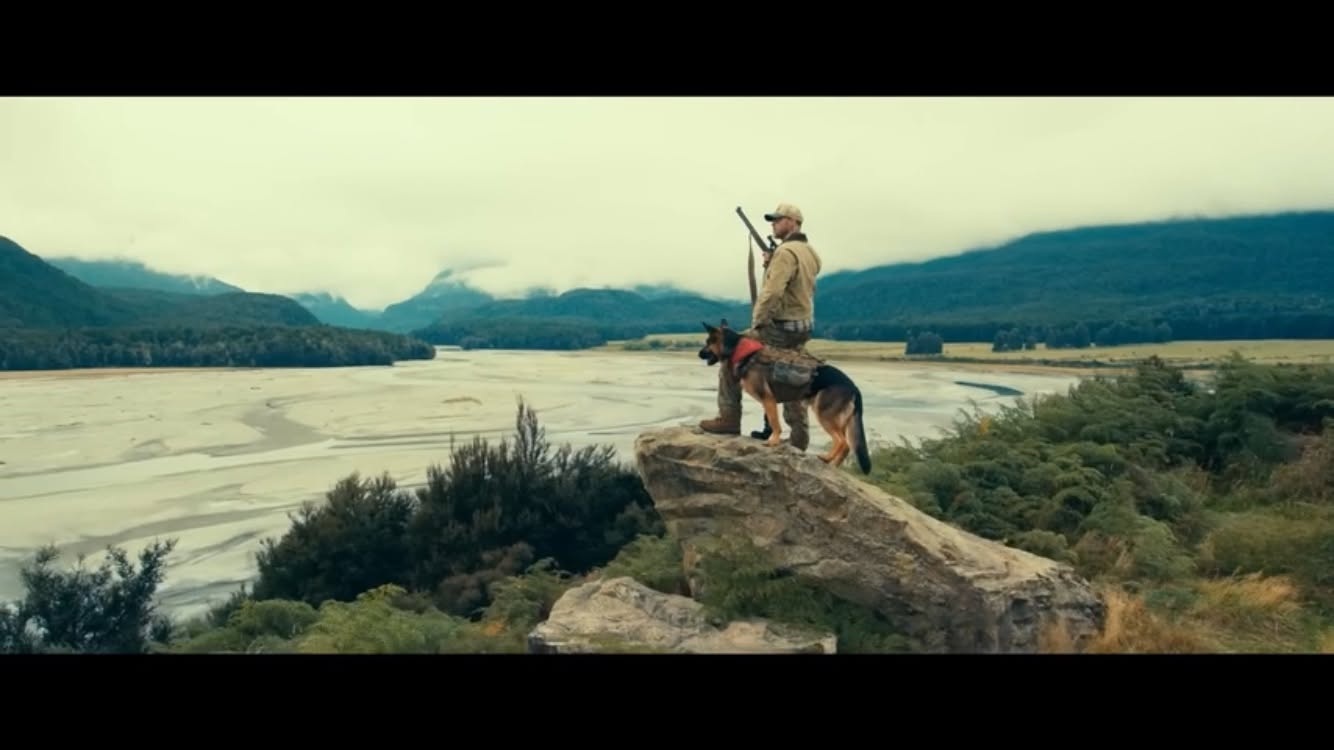
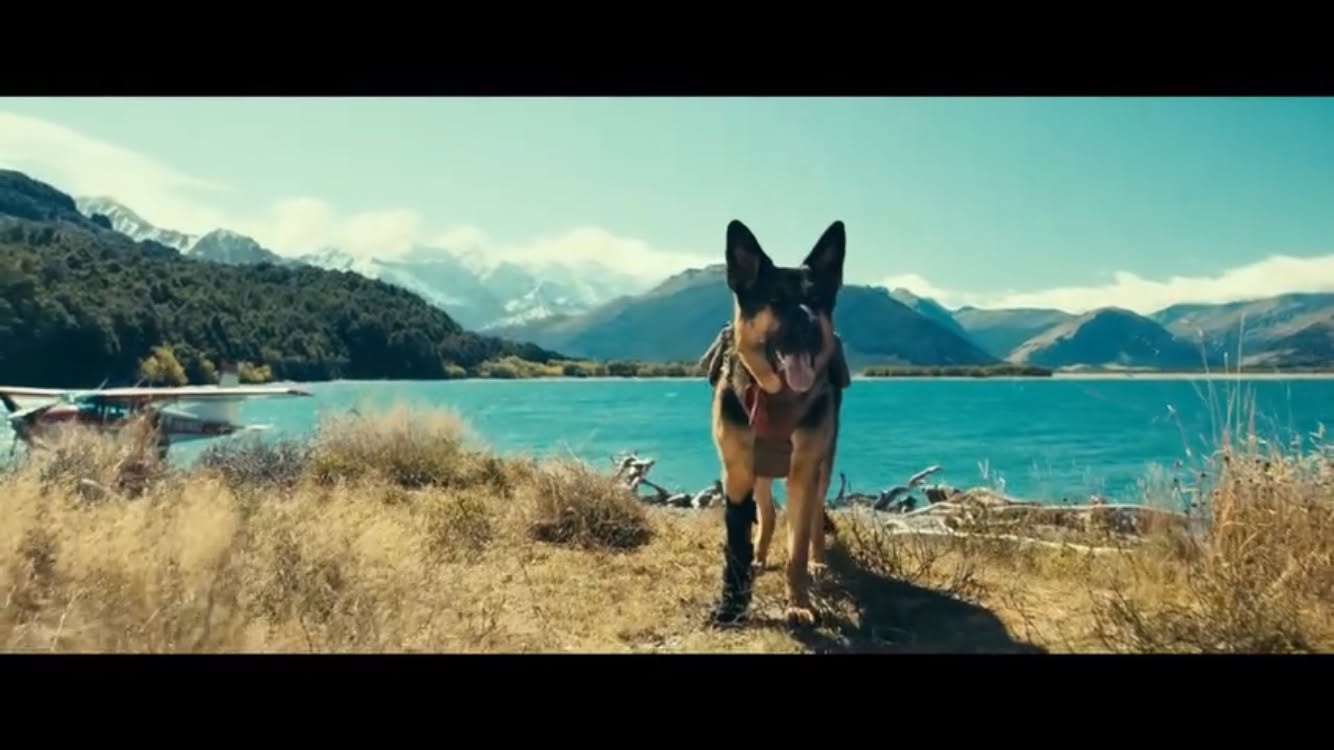
Dog lovers — who it seems this movie was made by and for — may love the shots of the sad and “knowing” face of Odin the trusty K9 companion. Or some may love it for the resplendent scenery of the majestic Alaskan wilderness, a cinematographers dream. If that’s you, see it.
But there really isn’t much else to believe in.
A Deeper Dive into “Heart of the Beast.”
The movie opens in Alaska and immediately we see the camera in love with its surroundings. That can be forgiven. I’ve been to Alaska twice, as far north as Fairbanks and a bit beyond. And it is awe-inspiring. But at some point the film must depart from being a National Geographic special and find its own identity.
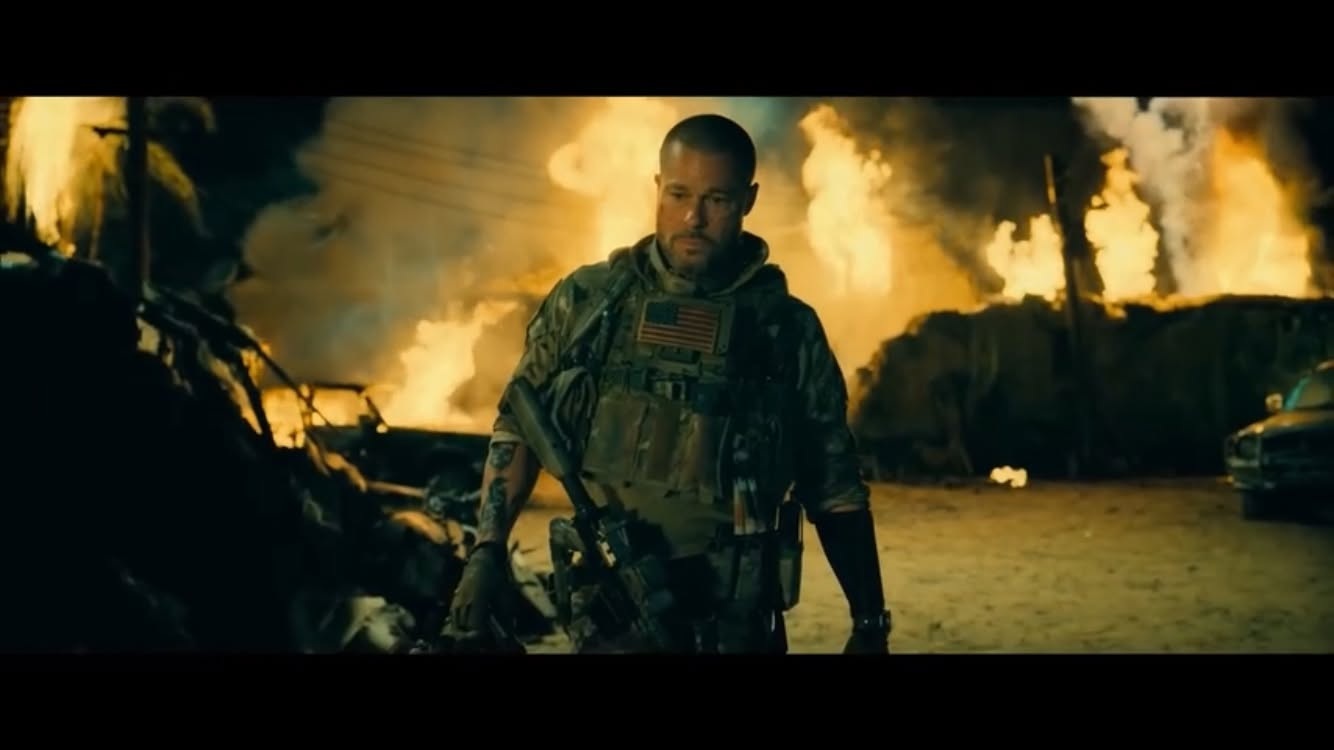
As the story actually begins, we are dimly aware that James Belmont is a military man, and so is the dog. They have shared history. We know this through a series of very brief “flashbacks” laced with military lingo, and the almost obligatory, “go, go, go” shouts military guys do when it’s time to leap into action. Camera angles, dutch-tilts and fireworks-like explosions make it difficult to process what’s going on, and that may be intentional to convey confusion and dangerous threats. But it doesn’t help us understand Belmont much. One interesting thought is that even Odin the dog has PTSD-like nightmares in Alaska.
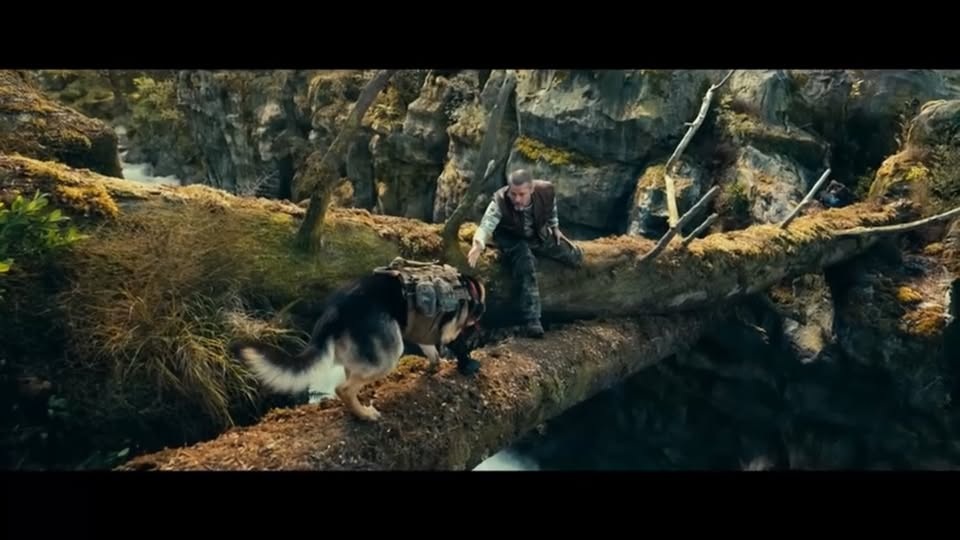
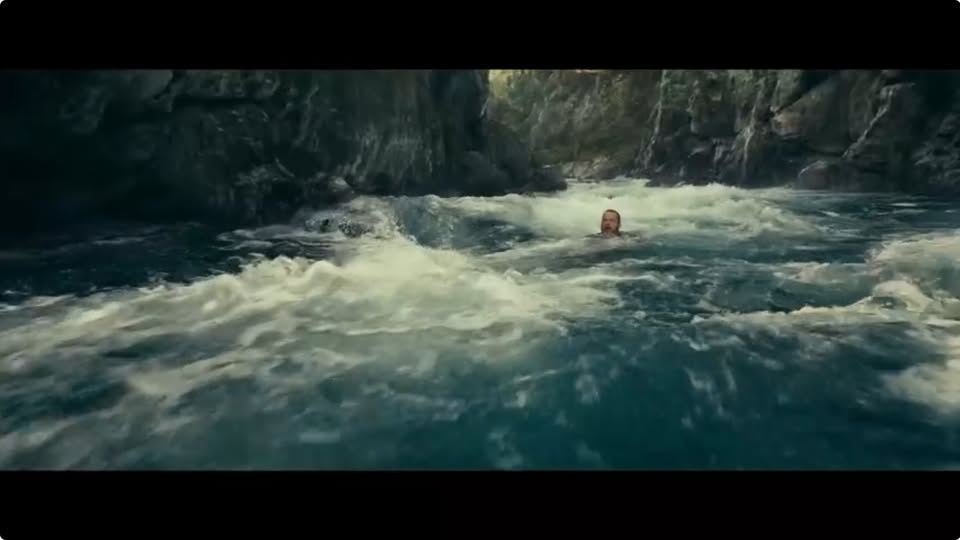
But we can’t see how all this affects Belmont specifically. As the story in Alaska progresses, a series of unfortunate events bedevils Belmont and Odin. Confusingly enough, one moment Belmont is incapacitated beyond saving, and almost the next moment, he is engaged in a near superhuman effort a fully-functioning man would be exhausted to accomplish.
These story anomalies continue to the point where it seems writers have betrayed the story’s believability. It’s almost as if they think, “Hey, let’s do this to Belmont and have people guess how he gets out of it.”
At this point, we are “out of the story” and into the production of it, and all is lost. Without being a spoiler, suffice to say that a Boy Scout alone in the woods would avoid the traps that Special Forces Sgt. Commander James Belmont, regularly seems to fall into.
But to build tension, the filmmakers put him into situations an experienced outdoorsman would not do. When he does it anyway — and he experiences very negative consequences that he somewhere survives — he mutters to himself, “Dumb! Dumb! Stupid!” And you are forced to agree.
This is not the way to evoke sympathy for the main character. Instead, it makes one wonder, “What in the world made Belmont think he could go “out there” and survive? He is woefully ill-equipped in mental preparation.
But there is a far bigger problem with “Heart of the Beast.” There is not a single solitary God-thought in the entire film. There is no thankfulness when things are going well in the serene isolation and beauty of Alaska. There is not a mutter-ance of a prayer of when misfortune arrives and death stalks him.
This is counterintuitive. Reality tells us when people are in trouble — real life and death — they will pray, even plead, even if they never talk to God in any other circumstances.
Why Hollywood still feels it necessary to skip that essential part of the human experience in their stories is a mystery to me. Just ask the real people in Manhattan when terrorists took down the World Trade Center at 911, if they cried out to God.
But not in “Heart of the Beast.” For multiple tens of millions of Americans, this would be unthinkable. Please, Isn’t it time to show a semblance of tenuous, fragile humanity and life as we know it?
Epilogue: Two things -:
- I watched this movie so you wouldn’t have to. 2) No AI was used writing this, or any other, Spiritually Speaking at the Movies, review.